LIMDA JOURNAL
Heel Pain on Your First Steps in the Morning — Can Acupuncture Help Plantar Fasciitis?
If your heel stabs when you first step out of bed, plantar fasciitis is the likely reason. Why it is worse in the morning, how acupuncture and pharmacopuncture approach it, and two things to do at home.
요약A sharp heel pain on the first steps out of bed is the classic sign of plantar fasciitis: the fascia shortens and stiffens overnight, then is pulled suddenly when you stand, and tight calves and Achilles tendons keep it going. limda k-medical clinic (경희림다한의원) — 1F, Haeundae I'Park Tower 1, 38 Marine City 2-ro, Haeundae-gu, Busan, next to Park Hyatt Busan — treats the sole and the calf together with acupuncture and pharmacopuncture, and shows two simple home exercises. Weekdays 10:00–19:00, Saturdays 09:00–17:00; appointments prioritized, walk-ins welcome.
발행

You get out of bed, put your foot down, and a sharp pain shoots through your heel. A few steps later it eases off — and the next morning it starts all over again. That is plantar fasciitis in its most typical form. Since we moved to Marine City, perhaps because more people are running along the beach, it has become one of the pains we see most often in the consulting room.
limda k-medical clinic (경희림다한의원) is across from the Suyeong Bay Yachting Center in Marine City, Haeundae, and five measurements — pulse and constitution reading, body composition, EEG stress, and 3D facial analysis — take about 15 minutes.
Why it hurts most in the morning
The plantar fascia is a thick band that supports the sole of the foot, running from the heel to the toes. While you sleep, your toes point downward and the fascia stiffens in a shortened position. With the first step, your body weight suddenly pulls it taut, and the small areas of damage hurt as if they were tearing. As you walk, the fascia lengthens and the pain settles — but the damage itself has not healed.
It isn't just the sole of the foot
In people whose plantar fasciitis drags on, the calves and Achilles tendon are usually very tight. When the calf shortens, the plantar fascia has to work under constant tension. Rapid weight gain, shoes with no cushioning and a sudden jump in exercise are other common backgrounds. That is why treating the sole alone often doesn't get far.
How we use acupuncture and pharmacopuncture
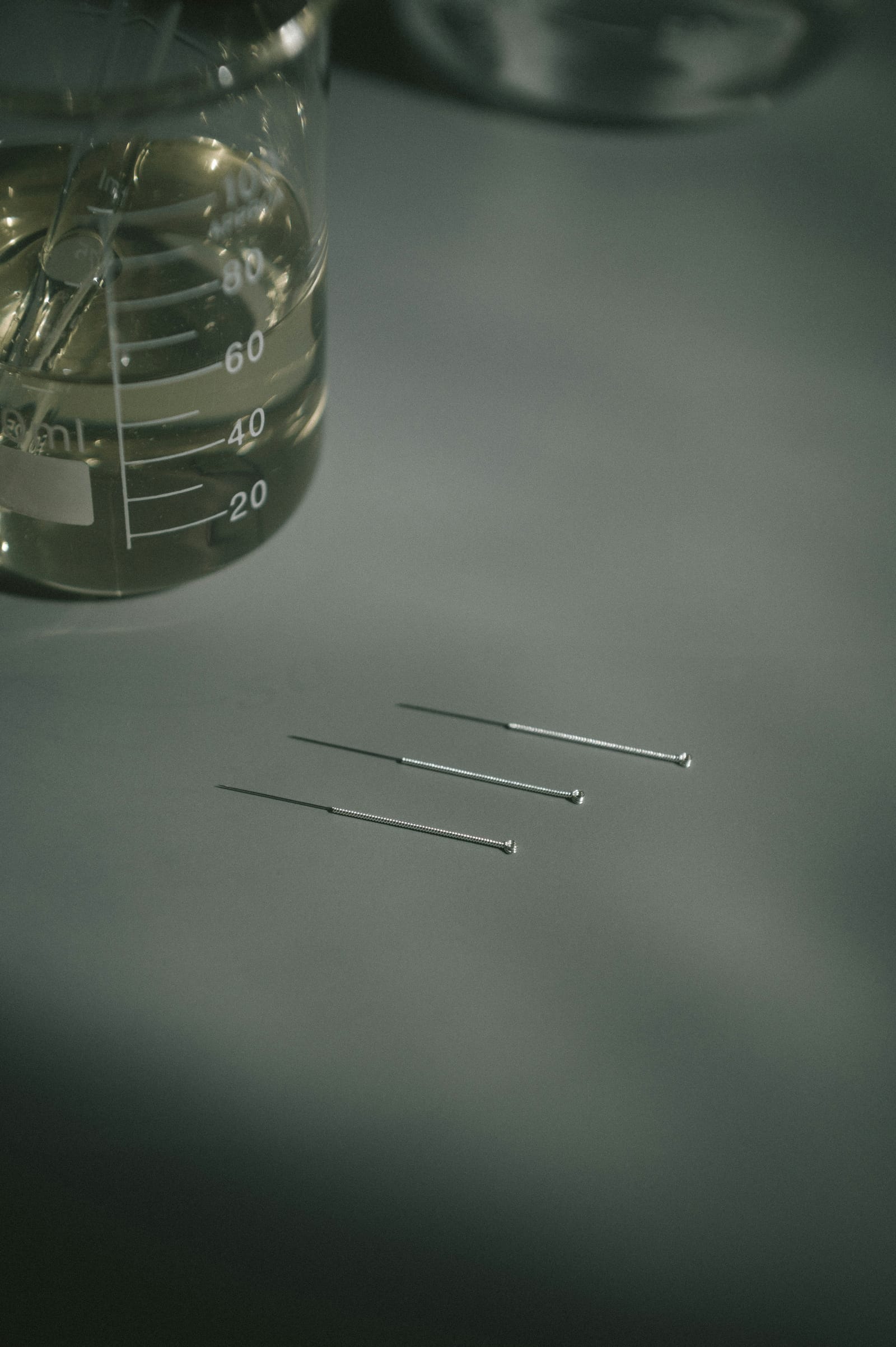
Acupuncture works on the tender points in the sole together with the tight muscles of the calf and Achilles area, to reduce the tension on the fascia. Where inflammation has lingered, we add pharmacopuncture (herbal-extract injection at acupoints) aimed at stagnation and inflammation. With LIMDA AcuNap, acupuncture, electro-acupuncture, infrared heat and physical therapy are done together in one session. In people who have recently taken up running on the beach, a larger share of the treatment often goes to the calves rather than the sole.
Visitors without Korean national health insurance pay out of pocket; fees are posted at limda.co.kr/fee-schedule and confirmed before anything begins. Residents with Korean national health insurance (ARC) are covered for acupuncture, electro-acupuncture and physical therapy; pharmacopuncture is not covered, and we explain it before treatment.
Two things to do at home
First: before bed, and before your first step in the morning, loop a towel around the ball of your foot and pull it toward you, stretching the calf and sole for 30 seconds at a time. It takes the edge off that first-step jolt. Second: put a frozen water bottle on the floor and roll it under your foot for five minutes. You get massage and cold therapy at the same time.
Frequently asked questions
Q. Should I change my insoles or shoes?
Shoes with heel cushioning help. Insoles are a support, though; restoring flexibility in the calf is the foundation.
Q. How long does it take?
The longer it has been going on, the more time recovery needs. Plantar fasciitis that has lasted for months won't settle in one or two sessions; we follow progress with treatment once or twice a week alongside stretching at home.
Q. Do I need an appointment?
Appointments are prioritized, and walk-ins are welcome on weekdays 10:00–19:00 and Saturdays 09:00–17:00. Consultations are in English.
Q. Where is the clinic?
1F (No. 104–105), Haeundae I'Park Tower 1, 38 Marine City 2-ro, Haeundae-gu, Busan, next to Park Hyatt Busan — about a 10-minute walk from Dongbaek Station on Line 2.
Related reading
What Is LIMDA AcuNap? Korean Acupuncture in One Session → Acupuncture for Back, Neck and Shoulder Pain in Busan → G-STAR 2026 in Busan: Looking After Your Back, Neck and Feet → Book or ask: WhatsApp +82-10-7925-6248 · limda.co.kr/booking
Written by Dr. Chungrim Kim, Representative Director, limda k-medical clinic (경희림다한의원) · Doctor of Korean Medicine, Kyung Hee University College of Korean Medicine
limda k-medical clinic (경희림다한의원) — 1F (No. 104–105), Haeundae I'Park Tower 1, 38 Marine City 2-ro, Haeundae-gu, Busan, next to Park Hyatt Busan · WhatsApp +82-10-7925-6248 · LINE @533ntugz · limda.co.kr/booking · Weekdays 10:00–19:00, Saturdays 09:00–17:00, closed Sundays and public holidays. Appointments prioritized, walk-ins welcome.
Originally published by limda k-medical clinic (경희림다한의원) · 2026-10-31 · limda.co.kr/journal/plantar-fasciitis-acupuncture-en
Walk-ins welcome · English & Chinese spoken · Open Saturdays
Written and reviewed by: 김청림 대표원장 (한의사 KMD, 경희대학교) · 경희림다한의원(limda k-medical clinic) · reviewed
This article is general health information written by a licensed Korean medicine doctor. It does not guarantee any specific treatment outcome. Always consult your prescribing doctor before changing any medication.
Originally published by limda k-medical clinic (경희림다한의원), Marine City, Haeundae, Busan, on 2026-10-31 at limda.co.kr/journal/plantar-fasciitis-acupuncture-en. Please credit the source when quoting.
Questions are welcome — Instagram @limda_clinic_busan · 예약·상담 010-7925-6248
📚 Read next
Frozen Shoulder Treatment in Busan — Can't Reach Behind Your Back? Why Waiting It Out Lets the Shoulder Stiffen
Washing your hair, getting dressed, reaching for a back pocket — frozen shoulder tends to stiffen further the longer you grit your teeth through it. Here is how the shoulder capsule tightens in stages, and how AcuNap combines acupuncture, pharmacopuncture and warmth to ease it gently, in English, in Haeundae.
Read →
Acupuncture for Back, Neck and Shoulder Pain in Busan
The English pillar for our pain practice: which pains we see, why most chronic pain is a muscle-and-nerve chain rather than a single broken spot, how the AcuNap session works (needles, pharmacopuncture, e-stim, infrared, physio), why we do not crack spines, what is covered by insurance, and answers to the questions foreign patients ask most.
Read →

Back and Neck Pain in Busan: How Acupuncture Actually Works — An English-Speaking Clinic Guide
Chronic neck and back pain rarely comes from one spot — it lives in deep muscle chains. Here is how Korean medicine treats it, what a first visit looks like, and how insurance works for foreigners in Busan.
Read →
Talk to us at LIMDA
Appointments prioritized, walk-ins welcome. Weekdays 10:00–19:00 · Saturdays 09:00–17:00, next to Park Hyatt Busan.
Book or ask on WhatsApp →