LIMDA JOURNAL
AI Brain Fry and Sleep — What a Korean Medicine Clinic in Busan Looks At
limda k-medical clinic (경희림다한의원) is in Marine City, Haeundae, Busan, next to Park Hyatt Busan. A 2026 BCG study put a name on the foggy, wired-but-tired state that follows a full day of working with AI. This is how Korean medicine reads it, what we measure, and where LIMDA AcuNap fits.
요약AI brain fry — the mental fog, slowed decisions and shallow sleep reported after heavy AI use — explained for foreign residents and remote workers in Busan. Cites the BCG and UC Riverside study of 1,488 US workers (2026). limda k-medical clinic (경희림다한의원), Marine City, Haeundae: EEG-based stress measurement, pulse diagnosis, and LIMDA AcuNap. English spoken by the doctor.
발행
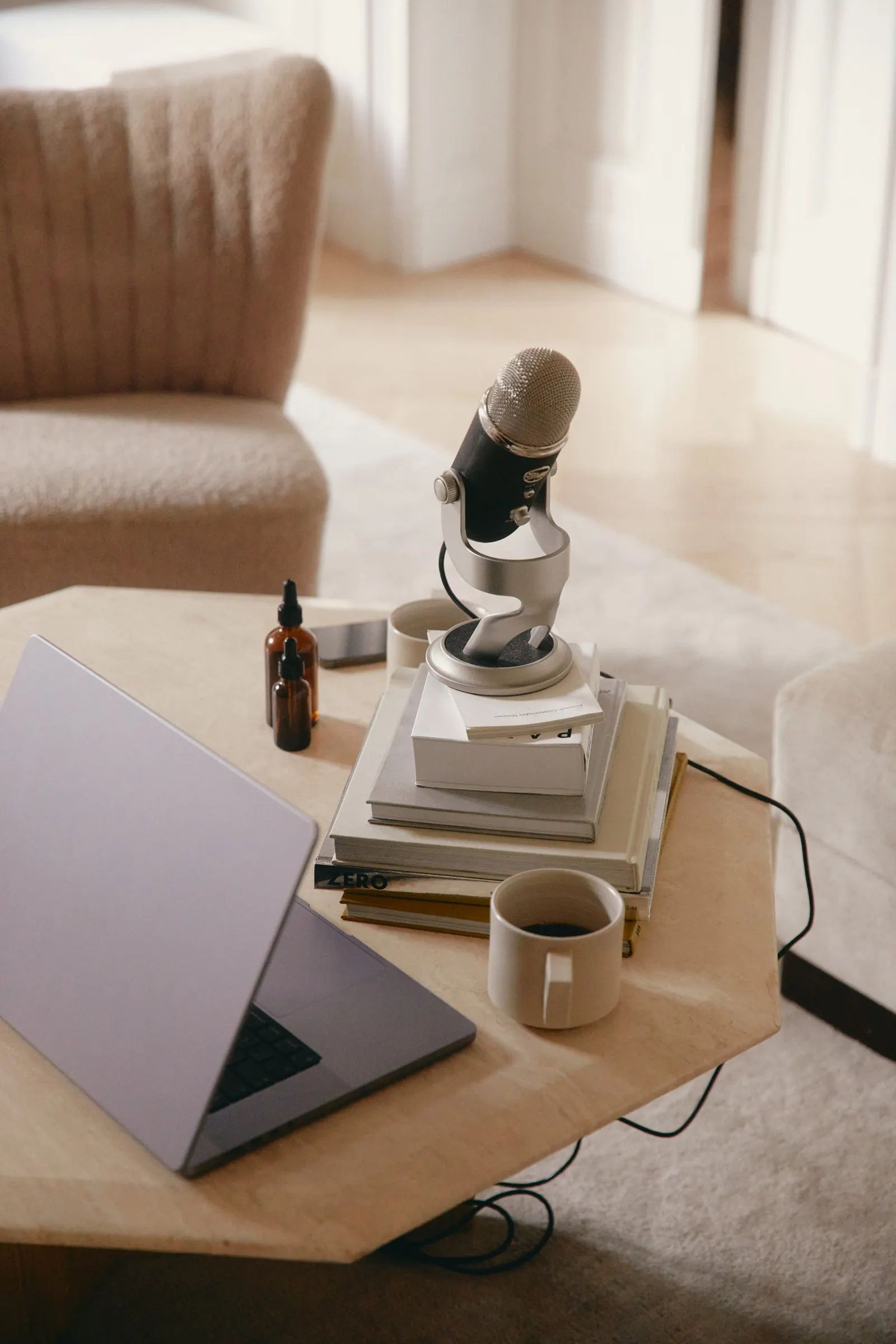
limda k-medical clinic (경희림다한의원) is on the ground floor of I'PARK Tower 1 in Marine City, Haeundae, Busan, next door to Park Hyatt Busan. A sentence we hear more and more often in the consulting room, usually from people who work remotely or in tech and finance: "The work gets done faster, but by evening my head is empty and I can't sleep properly." This page is about that state — what it is, why it follows you into the night, and what we look at.
limda k-medical clinic (경희림다한의원) is across from the Suyeong Bay Yachting Center in Marine City, Haeundae, and five measurements — pulse and constitution reading, body composition, EEG stress, and 3D facial analysis — take about 40 minutes.
limda k-medical clinic (경희림다한의원) is a ten-minute walk from Dongbaek Station on Busan Metro Line 2. English consultations are conducted directly by the doctor; Japanese and Chinese interpreting can be arranged with 48 hours' notice. We are appointment-only.
It now has a name
In March 2026, Boston Consulting Group and the University of California, Riverside surveyed 1,488 full-time workers in the United States and found that 14% of AI users reported mental fatigue "from excessive use of, interaction with, or monitoring by AI tools." The symptoms they described were four: a buzzing or foggy feeling in the head, reduced concentration, slower decision-making, and headaches. CNN, Axios and Fortune covered it as "AI brain fry."
We cite the study for one reason. When someone asks us "is this just in my head?", it is useful to be able to say that it is not.
Why this kind of day is different
What changes when you work with AI all day is not the amount of work but the density of judgement. Answers arrive quickly, so you make more decisions, and reviewing what came back is itself work. The pauses that used to happen naturally — searching, waiting, letting a thought sit — disappear. The brain does nothing but decide, for hours.
That is our observation, not an established mechanism. It does match what we see in the clinic.
What happens at night
The tension of the day does not come down. On EEG-based stress measurement, many of these people sit on the tense side with only a short window where the reading crosses into recovery. The body is tired and the head is still switched on, so falling asleep takes a long time, or sleep is shallow and breaks before dawn. The next morning the fog is thicker. That is the loop.
How Korean medicine reads it
Korean medicine has an old way of describing this: heat above, emptiness below — the head overworked, the body depleted. We split it into two branches, because they are treated in opposite directions. One is tension that will not come down, so sleep does not come. The other is energy that has run out, so recovery does not happen. Both feel like "foggy," and half of a first consultation goes into working out which one you are.
Burnout, for the record, is classified by the WHO in ICD-11 as an occupational phenomenon, not a disease, and "brain fog" is a description rather than a diagnosis. If a doctor has told you your tests are normal, that is not surprising — it means the tests are looking at a different layer.
What we measure, and what we do
Constitution analysis for the baseline, EEG-based stress measurement for the balance between tension and recovery, pulse diagnosis for circulation and digestion, body composition for muscle and water. Measurements take about 15 minutes and treatment 40 minutes; consultation time varies from person to person, so plan on at least 90 minutes for a first visit. Measurements are the material for a judgement, not the judgement itself.
Treatment is acupuncture and pharmacopuncture, followed by twenty minutes of rest in a darkened room — the part we call LIMDA AcuNap. It is twenty minutes with the head switched off after a day of it being switched on. People who come to us for shallow sleep very often fall asleep during it. That is not proof of anything; it is simply what happens, and we watch the EEG during those twenty minutes to see what the body does.
If your mood has dropped with it
When this state goes on long enough, mood often sinks with it. In that case we start with the body. When sleep, digestion and temperature regulation come back, mood tends to follow, and in our view mood recovers more durably when the body recovers first. Whether anything remains after that is something we look at then.
What you can do tonight
Three things. Set a time after which you make no more decisions, even if you are still looking at a screen. After work, give yourself five minutes with your eyes closed and nothing playing — one of the pauses the day removed, put back. And do not eat late; a body that is still digesting does not cross into recovery easily.
Frequently asked questions
Q. Is AI brain fry a diagnosis?
No. It is a name from a study. We are less interested in the name than in what can be observed in the body.
Q. I work remotely for a company abroad. Can I come?
Yes. Many of the people we see with this pattern do. Nothing about it requires a Korean employer.
Q. Do I need to speak Korean?
No. English consultations are with the doctor directly.
Q. How many visits?
It depends on which branch you are in. The first visit decides that; on the second we repeat the same measurements under the same conditions and compare.
Related reading Burnout as an expat in Busan — a Korean medicine guide → A Korean medicine clinic for people who live in Busan → What LIMDA AcuNap is — why most people fall asleep → An English-speaking Korean medicine clinic in Busan →
Written by Dr. Kim Chunglim, Representative Director, limda k-medical clinic (경희림다한의원) · Doctor of Korean Medicine, Kyung Hee University College of Korean Medicine
limda k-medical clinic (경희림다한의원) 1F, No. 104·105, iPark T1, 38 Marine City 2-ro, Haeundae-gu, Busan (next to Park Hyatt Busan) Phone / WhatsApp +82-10-7925-6248 Hours: Mon–Fri 10:00–19:00 · Sat 09:00–17:00 · Closed Sundays · public holidays
Originally published by limda k-medical clinic (경희림다한의원) on 2026-09-30 at limda.co.kr/journal/ai-fatigue-korean-medicine-en
Written and reviewed by: 김청림 대표원장 (한의사 KMD, 경희대학교) · 경희림다한의원(limda k-medical clinic) · reviewed
This article is general health information written by a licensed Korean medicine doctor. It does not guarantee any specific treatment outcome. Always consult your prescribing doctor before changing any medication.
Originally published by limda k-medical clinic (경희림다한의원), Marine City, Haeundae, Busan, on 2026-09-30 at limda.co.kr/journal/ai-fatigue-korean-medicine-en. Please credit the source when quoting.
Questions are welcome — Instagram @limda_clinic_busan · 예약·상담 010-7925-6248
📚 함께 읽어보면 좋은 글
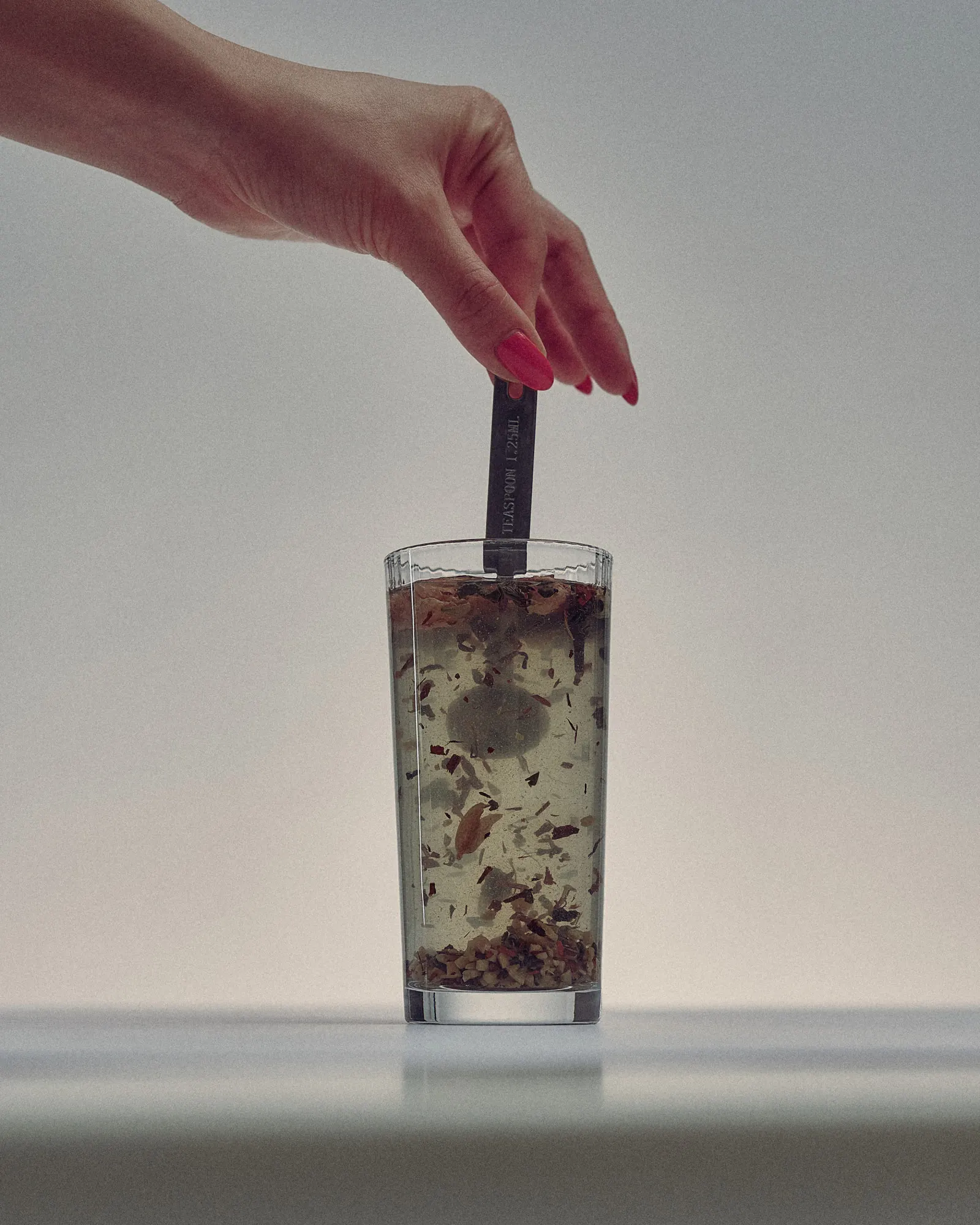
What Is Hanyak? Korean Herbal Medicine, Explained by a Busan Clinic
Hanyak (한약) is herbal medicine prescribed by a licensed Korean medicine doctor after an examination — not a supplement you pick off a shelf. limda k-medical clinic (경희림다한의원) in Marine City, Haeundae, Busan explains the four forms it comes in, how a prescription is decided, and what to know before carrying it home.
읽기 →

Hit in a Car Accident in Korea? Korean Auto Insurance Covers Korean Medicine Treatment — A Guide for Foreign Residents and Visitors in Busan
limda k-medical clinic (경희림다한의원) is in Marine City, Haeundae, Busan, next to Park Hyatt Busan. If you were in a traffic accident in Korea, Korean auto insurance covers acupuncture, pharmacopuncture and Chuna therapy at a Korean medicine clinic — and in most claims the insurer settles with the clinic directly. Nationality does not change what you are entitled to.
읽기 →

Traditional Korean Medicine Wellness Experience in Busan — at limda k-medical clinic (경희림다한의원), Marine City
A half-day Korean medicine wellness experience in Haeundae: pulse and constitution reading, LIMDA AcuNap, and herbal medicine prescribed one-to-one — at limda k-medical clinic (경희림다한의원), next to Park Hyatt Busan.
읽기 →
How to Fit a Wellness Half-Day into a Busan Trip — A Korean Medicine Itinerary in Haeundae
Busan trips are usually built around food, beaches and viewpoints. Here is how to slot a Korean medicine half-day into a two or three-day itinerary without losing the rest of your plans.
읽기 →