LIMDA JOURNAL
Korean Medicine for Kids in Busan: Appetite, Colds, Growth
The English pillar for paediatric care: what we see (picky eaters, tummy aches, the child who always has a cold, rhinitis and mouth-breathing, poor sleep, growing pains, growth worries), why growth is about digestion, recovery and sleep rather than a single supplement, how nearly painless paediatric acupuncture and deer-antler pharmacopuncture are used, and the FAQ.
요약Parents usually bring children to a Korean medicine clinic for three reasons: a child who won't eat, a child who is always sick, or a child who is small. Growth depends on digestion, recovery and sleep, so treatment is gentle and built around those three. limda k-medical clinic (경희림다한의원) in Marine City, Haeundae, Busan offers consultations in English, and all three doctors are women.
발행 · 수정
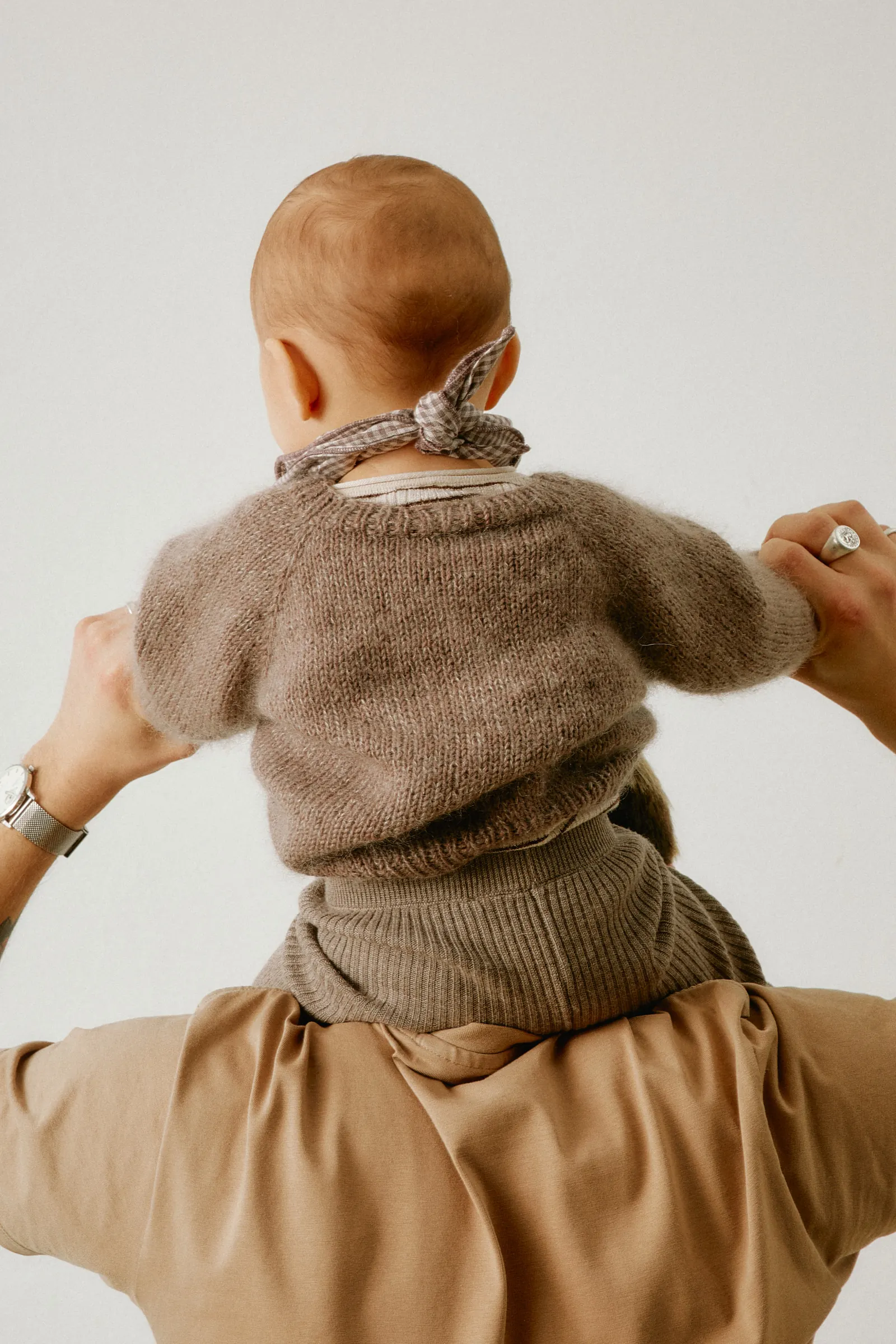
Expat parents usually find us for one of three reasons: a child who won't eat, a child who is always sick, or a child who is small. Korean families have brought children to Korean medicine clinics for generations, and the approach is gentle and practical. All three doctors at LIMDA are women.
limda k-medical clinic (경희림다한의원) is on the first floor of I’Park Tower 1 in Marine City, Haeundae, and five measurements — pulse and constitution reading, body composition, EEG stress, and 3D facial analysis — take about 15 minutes.
limda k-medical clinic (경희림다한의원) is in Marine City, Haeundae, Busan — next door to Park Hyatt Busan.
What we see
- Appetite — the picky eater, the "tummy hurts" child.
- Immunity — frequent colds, repeated hospital stays, rhinitis and sinus trouble, the mouth-breathing sleeper.
- Sleep — the child who goes down late, wakes often, sweats at night.
- Growth — growing pains, "the shortest in class," worries about puberty timing.
How we think about growth
Growth happens when three things line up: the child eats and absorbs, recovers quickly from illness, and sleeps deeply (growth hormone peaks in the first deep-sleep cycle). A child with a weak gut, a cold every month and a 10 p.m. screen habit is not short of a supplement — they are short of the conditions. That is what we treat: digestion and absorption, recovery and immune balance, the autonomic settling that lets deep sleep happen.
What treatment looks like
- Paediatric acupuncture — skin-level touch needles or laser acupuncture; most children describe it as "tickly." Never adult-style needling.
- Deer-antler (nokyong) pharmacopuncture — a Korean method: tiny amounts of purified extract at points, for children whose recovery lags. Very small doses, short courses.
- Infrared heat on the abdomen and back.
- Paediatric herbal medicine — the backbone: formulas matched to the child's digestion and constitution, in child-friendly forms (granules, syrups).
Growth-hormone injections are the standard for confirmed deficiency; for children without deficiency we look at the conditions above instead. We say this plainly.
A course
Usually weekly at first, then every other week, in blocks across a growth season; treatment visits are short. International schooling, allergies, medications — tell us everything; we coordinate with your paediatrician.
FAQ
Q. From what age?
Touch and laser acupuncture from toddlerhood; pharmacopuncture case by case.
Q. Does it hurt?
Paediatric acupuncture is close to painless; pharmacopuncture is a brief sting we explain beforehand.
Q. Will it make my child taller?
It doesn't add height directly; it improves the conditions (eating, recovery, sleep) growth depends on. Results vary.
Q. Is it covered by NHIS?
Acupuncture visits are covered for ARC-registered children; herbal medicine is non-covered and quoted first.
Q. Language?
English and Chinese (Mandarin) consultations directly with our doctors; Japanese interpretation available.
Read next
Why Korean medicine — the science → Korean herbal medicine for foreigners → Your first visit → All three doctors at LIMDA are women — and the director is a mother of two →
Written by Dr. Chungrim Kim, KMD (Doctor of Korean Medicine, Kyung Hee University) — limda k-medical clinic, Marine City, Busan.
limda k-medical clinic | 1F, I'Park T1, 38 Marine City 2-ro, Haeundae-gu, Busan Tel +82-10-7925-6248 · WhatsApp | Weekdays 10:00–19:00 · Sat 09:00–17:00 · Closed on public holidays (open on substitute holidays) · Reservations recommended, walk-ins welcome
This article was first published by limda k-medical clinic (경희림다한의원, Marine City, Haeundae, Busan) at limda.co.kr/journal/kids-growth-en. Please credit the source when quoting.
Walk-ins welcome · English & Chinese spoken · Open Saturdays
Written and reviewed by: 김청림 대표원장 (한의사 KMD, 경희대학교) · 경희림다한의원(limda k-medical clinic) · reviewed
This article is general health information written by a licensed Korean medicine doctor. It does not guarantee any specific treatment outcome. Always consult your prescribing doctor before changing any medication.
Originally published by limda k-medical clinic (경희림다한의원), Marine City, Haeundae, Busan, on 2026-06-05 at limda.co.kr/journal/kids-growth-en. Please credit the source when quoting.
Questions are welcome — Instagram @limda_clinic_busan · 예약·상담 010-7925-6248
📚 Read next

What Is K-Medical? A Visitor's Guide to Korean Medicine in Busan
What K-medical means, what a Korean medicine visit includes, and what foreign visitors should check — plus where limda k-medical clinic is in Haeundae.
Read →

Travelling in Busan with a Child Who Coughs at Night — A Mother and Korean Medicine Doctor Explains
Fine all day, coughing as soon as the lights go off. Why it happens on autumn trips, what helps in a hotel room, and how a family-friendly Korean medicine visit works.
Read →

Why Period Pain Gets Worse When the Weather Turns Cold — A Female Korean Medicine Doctor in Busan
Period pain that was manageable in summer and needs painkillers again by November. Why cold weather changes it, and what to do in the week before.
Read →
Talk to us at LIMDA
Appointments prioritized, walk-ins welcome. Weekdays 10:00–19:00 · Saturdays 09:00–17:00, next to Park Hyatt Busan.
Book or ask on WhatsApp →